

Understanding the psychological triggers in gambling behavior
The Nature of Gambling Addiction
Gambling addiction is a complex psychological phenomenon characterized by compulsive behavior and an inability to stop despite negative consequences. Many individuals are drawn to gambling due to the thrill and excitement it offers. This addictive nature often stems from various psychological triggers that affect decision-making processes and emotional responses. For those exploring online options, bitcoin casinos can often be particularly enticing.

For many, the act of gambling may provide an escape from everyday stresses or emotional pain. The anticipation of winning, coupled with the rush of adrenaline, can create a powerful feedback loop, reinforcing the desire to gamble. Understanding these triggers is crucial for both gamblers and their loved ones to recognize and manage this behavior effectively.
Several psychological triggers can significantly influence gambling behavior, including cognitive biases, emotional states, and social influences. Cognitive biases, such as the illusion of control, lead individuals to believe they can influence the outcome of games of chance. This belief can result in a false sense of security, prompting continued engagement in gambling activities.
Emotional states also play a crucial role in gambling behavior. People often gamble to cope with feelings of sadness, anxiety, or loneliness. When experiencing negative emotions, individuals may turn to gambling as a form of distraction, further entrenching the cycle of addiction. Understanding these emotional triggers can help in developing better coping strategies and reducing reliance on gambling for emotional relief.
Reinforcement theory explains how rewards influence behavior. In gambling, variable-ratio reinforcement, where wins are unpredictable, can enhance the gambling experience. This unpredictability creates a sense of excitement and hope that keeps individuals returning for more, even when losses occur. The brain’s reward system is activated during wins, which can lead to an addictive cycle.
Moreover, near misses—situations where a player almost wins—can reinforce gambling behavior. This creates a cognitive dissonance where the individual feels they are close to winning and may increase their gambling frequency. Recognizing the psychological impact of reinforcement can help individuals and professionals develop strategies to mitigate gambling addiction.
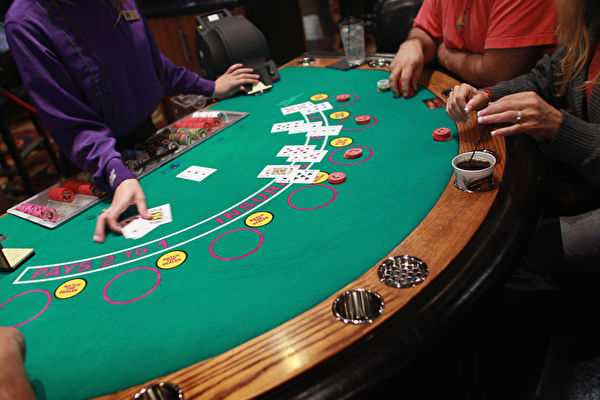
The environment in which an individual gambles can significantly affect their behavior. Factors such as the presence of others, the ambiance of the gaming venue, and cultural attitudes towards gambling can all contribute to an individual’s decision-making. Social factors, such as peer influence, can further exacerbate gambling tendencies, as individuals may feel pressured to participate in gambling activities.
Understanding these environmental and social influences is essential for addressing gambling behaviors. By creating supportive environments and fostering healthy social interactions, individuals may find it easier to resist the allure of gambling. Awareness of these factors can empower individuals to make more informed choices regarding their gambling habits.
Our website is dedicated to raising awareness about gambling behavior and its psychological triggers. We aim to provide resources, insights, and support for individuals struggling with gambling addiction and their families. Through informative articles and expert advice, we strive to create a community focused on understanding and overcoming gambling-related challenges.
We believe that education is a vital tool in combating gambling addiction. By exploring the psychological aspects and providing practical strategies, our platform helps individuals recognize the signs of problematic gambling and seek help when needed. Join us in our mission to promote healthier gambling habits and support those affected by gambling addiction.
«`
Leave a Reply